
Rising damp is one of the more misunderstood problems in an old home. It is common, it is fixable, and it is very easy to make worse by treating the surface instead of the cause. Here is a plain explanation of what it is and how it gets dealt with.
What rising damp is
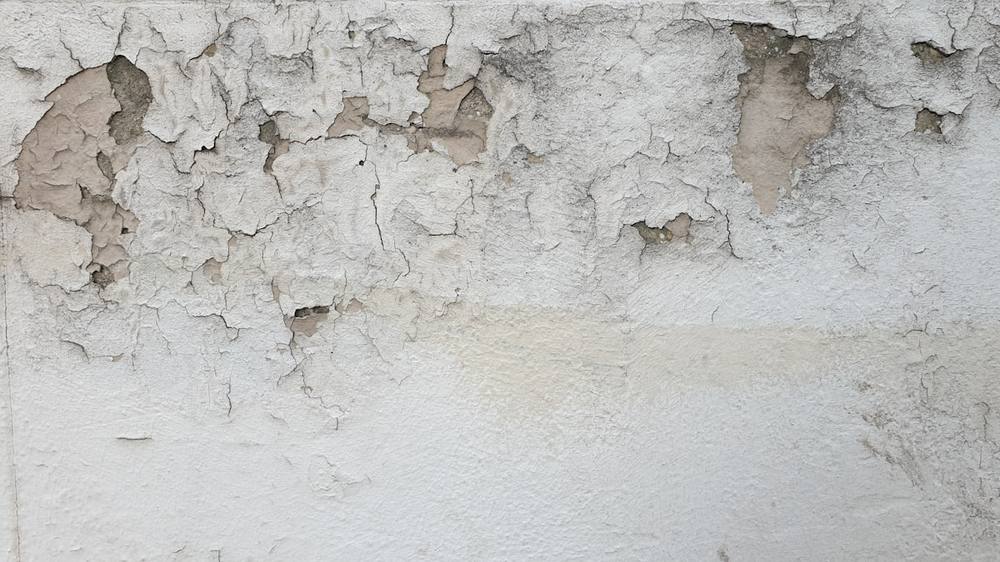
Rising damp is moisture from the ground moving up into the walls of a home. Older solid walls can draw water upward, and that water carries salts with it. As it dries near the surface, the salts are left behind, and over time they damage the render and paint.
How to spot it
- A tide mark or staining low on the wall, usually within a metre of the ground
- Flaking or bubbling paint near the base of the wall
- Render that has gone soft, powdery or blown
- A musty smell in rooms along the affected wall
Why surface fixes fail
It is tempting to scrape it back, fill it and repaint. The trouble is that the water is still coming. Within a season or two the same patch returns, often worse, because a sealing paint has trapped the moisture and the salt behind it.
Dealing with the cause
A lasting fix starts by working out where the moisture is coming from and cutting it off, then letting the wall dry and treating the salts. Only once the wall is sound and dry does it make sense to render and repaint, using breathable materials that let any remaining moisture escape.
The takeaway
If you have damp low on a wall, the worst thing you can do is paint over it and hope. The best thing you can do is have someone find the cause. Deal with that, and the repair holds.
We treat damp and salt at the source before any refinishing. Read about our remedial repairs and waterproofing, or get a free on-site quote.